
Every winter, your leasing office hears some version of the same question: "Why is my electric bill so high?" Sometimes it's confusion, sometimes frustration, sometimes real financial stress. How your team handles that moment shapes the resident relationship for months. This guide gives you talking points, bill walkthrough steps, and practical suggestions to turn a tense conversation into a productive one.
Start the Conversation When a Resident Says "My Bill Is So High"
The first two minutes matter most. Your goal isn't to diagnose the problem on the spot. It's to make the resident feel heard and move from complaint to collaboration.
Openers that work:
- "You're not the only one seeing higher winter utility bills this year. Let's look at what might be driving yours."
- "Let's pull up your bill together and see what changed from last month."
- "I hear you. A high electric bill is frustrating. It usually comes down to more usage, higher rates, or both. Let's figure out which."
What to avoid:
- Never say "you're using too much power." Talk about weather, energy costs, and how the apartment uses energy.
- Don't guess at causes before looking at the bill.
Keep a printed winter utilities one-pager at the leasing desk and hand it over right away. It gives the resident something tangible and shows you were prepared.
Know What Counts as a High Electric Bill in Your Market
"High" is relative. A $200 monthly bill may be normal in one market and alarming in another. For context, the average U.S. residential electricity price was about 17 cents per kilowatt hour in 2025, and the average residential customer used about 863 kWh per month in 2024. Your local numbers will differ, so benchmark against your own property:
- Compare the bill to the same month last year.
- Compare it to similar units, such as 1-bed to 1-bed on the same floor.
- Check whether the utility prints an "average usage" comparison on the bill.
Build an internal reference sheet with typical kWh ranges by floor plan and notes on all-electric versus gas-heated buildings. If a resident reports a $280 bill and your range for that floor plan is $180-$240, you can say: "Your bill is a bit above what we typically see. Let's dig into why."
Walk Residents Through Their Electricity Bill Step by Step
Sit side by side and treat it as a quick bill tour. Point out the parts that explain the total:
- Billing cycle dates: A 32-day cycle costs more than a 28-day cycle even if daily usage is flat.
- Total kWh: Compare this period to last period.
- Supply and delivery charges: The cost of generating electricity and the cost of moving it from the grid to the apartment.
- Taxes, riders, and fees: State taxes, fuel cost adjustments, late fees, and any past-due balance.
Keep one or two anonymized example bills at the office with these sections highlighted so any staff member can walk through them the same way.

Common Winter Reasons for High Electric Bills
Run through this checklist on every call or walk-in:
- Colder weather or a longer cold snap than last year. Space heating and air conditioning together make up about 52% of household energy use.
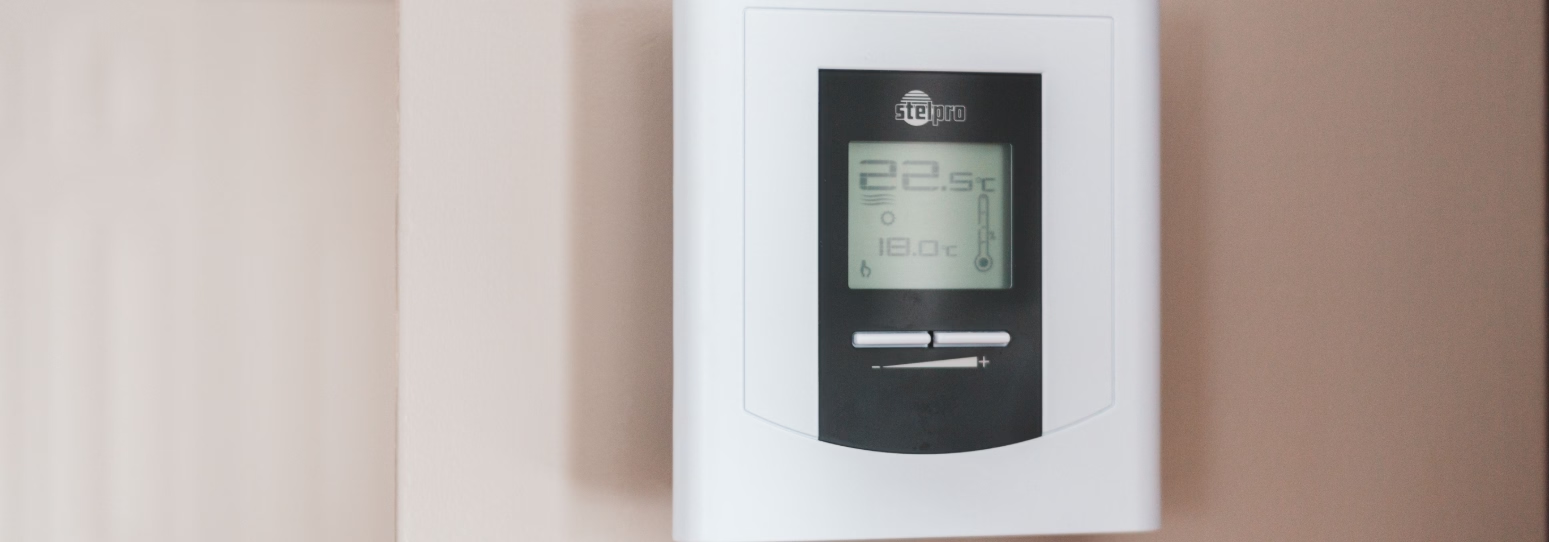
- A thermostat set too high, or adjusted constantly.
- Space heaters in bedrooms or home offices.
- Drafts from patio doors, windows, and entry doors.
- Longer, hotter showers and more time at home.
- Aging appliances and a neglected heating system. A dirty air filter makes the system run longer.
Once you have your own numbers, you can say: "When we had that cold snap in January, most 2-bedroom units here saw bills rise by about $[X]. That's consistent with what we'd expect." Use real property data for the placeholder.
Thermostats and Smart Thermostats: Fast Wins for Residents
- The Department of Energy recommends about 68°F while awake and setting the thermostat back 7-10 degrees for 8 hours a day to save up to 10% a year.
- A practical range for residents is 66-68°F when home and 60-64°F when asleep or away, unless your lease or local code sets a minimum.
- ENERGY STAR certified smart thermostats save about 8% on heating and cooling bills on average.
- Residents with heat pumps should not use "emergency heat" unless maintenance says so. It runs like electric resistance heat and can spike a bill fast.
- Know whether your community allows resident-installed smart thermostats or only management-installed devices.
Quick script: "Let's check whether your thermostat is stuck in 'hold' mode at a high setpoint. That's a common reason we see a bill jump."
Space Heaters and Other Supplemental Heat
Space heaters are a stealth driver of high bills, so use numbers instead of blame. A 1,500-watt heater running 8 hours a day for a month uses about 360 kWh. At 17-20 cents per kWh, that adds roughly $60-$70 to the bill.
Lower-cost alternatives to suggest:
- Electric blankets and heated mattress pads
- Draft stoppers under doors
- Layers indoors, and closed doors to unused rooms
Safety reminders to repeat every winter: only UL-listed heaters, no daisy-chained power strips, and never leave a heater running unattended.
Drafts, Insulation Gaps, and the Building Itself
Separate what the resident controls from what the building controls. Common leaky spots include worn weatherstripping on patio doors, loose window latches, gaps under entry doors, and unsealed openings around pipes. ENERGY STAR estimates that air sealing and added insulation save an average of 15% on heating and cooling costs, though results vary by climate and building.
What residents can do (lease-friendly):
- Use temporary window insulation film in bedrooms.
- Place draft snakes or rolled towels at door bottoms.
- Close blinds and curtains at night.
What management can offer:
- Work orders for new weatherstripping or door sweeps.
- Resealing visible gaps around windows or patio doors.
- Checking that electric heaters on exterior walls work properly.
Avoid promising specific savings. Say that sealing drafts can help, and let the next bill show the result.
Hidden Appliance Drains and Hot Water Habits
This matters most in all-electric buildings where every device runs on one meter. Common silent drains include older refrigerators, game consoles and streaming boxes, computers left on for remote work, and dehumidifiers running all day. Standby or "phantom" power is commonly estimated at 5-10% of residential energy use.
What staff can suggest:
- Plug electronics into power strips and switch them off overnight.
- Turn on sleep modes and unplug rarely used devices.
- Switch to LED bulbs, which use up to 90% less energy and last up to 25 times longer than incandescent bulbs.
- Shorten showers and wash full loads on cold when possible.
Water heating is one of the biggest energy uses in a home, so bring it up without judgment: "If four people each take a 20-minute hot shower every morning, that alone can explain a big chunk of a high winter bill." A setting of 120°F is comfortable for most uses, and each 10°F reduction can save 3-5%. Check whether your property can adjust water heater setpoints before advising residents.
Where it fits your plan, phase in ENERGY STAR appliances during unit turns. Mentioning that upgrade path shows you're invested in the solution, not just deflecting the complaint.
Seasonal Rates, Fuel Prices, and Why Bills Jump Even When Usage Doesn't
When a resident insists they "didn't do anything different," this is your section. Many utilities charge more in winter because power costs more to generate during high regional demand, and natural gas prices feed directly into electricity prices. A bill can rise from more usage, higher rates, or both at once, which is common in cold winters.
Some residents are on time-of-use plans, which charge different rates at different times of day. Without a change in habits, these plans can raise bills, and shifting laundry and dishwashing to off-peak hours is one of the simplest fixes. If your market allows supplier choice, a fixed-rate plan can stabilize monthly costs.
Quick demonstration: Multiply last month's kWh by last month's rate, then this month's kWh by this month's rate. That shows how much of the increase came from the rate and how much from actual use.
Payment Plans, Assistance Options, and Setting Expectations
When a resident is struggling to pay, be sensitive and clear.
Steps staff should take:
- Ask whether the resident has contacted the utility about budget billing or a payment arrangement.
- Share contact information for local and state energy assistance programs such as LIHEAP, where allowed. Funding and eligibility vary by state and year, so confirm current availability with your state energy assistance office.
- Clarify which charges are between the resident and the utility and which sit on the rent ledger.
Set expectations plainly:
- Reducing usage will help future bills, not the one already issued.
- It may take 1-2 billing cycles for changes to show up.
- Good habits pay off in summer too, when air conditioning drives bills up.
Example: "Let's set a check-in for March 1. By then your February bill will reflect any changes you make this week. I'll also send you the utility's payment arrangement number today so you have it before you leave." Every resident should walk out with a next step and a date, not just information.
Train Your Team and Standardize the Message
If one leasing consultant says "we can't do anything about utility costs" and another promises to "look into affordable energy options," you've created confusion and eroded trust.
- Hold a 20-30 minute winter utilities huddle each November. Review sample bills, role-play one or two high-bill conversations, and agree on what staff should and shouldn't say.
- Create 2-3 standard handouts, such as "Why Your Winter Electric Bill Might Be Higher This Year," "Quick Ways to Lower Energy Costs in Your Apartment," and "Who to Call About Your Electricity Bill vs. Your Rent."
- Log the date, main concerns, and follow-up promised for every high-bill conversation in your CRM, so anyone who takes the next call is on the same page.
Finally, remind your team about fair housing and consistent treatment. Every resident with a similar concern should get the same information and options, no matter who they talk to.


