
Proactive communication that eliminates the most common end-of-lease friction — before it hits your inbox.
Why End-of-Lease Communication Breaks Down
Most resident confusion at renewal time isn't a people problem — it's a process problem. Residents don't know when they need to respond, what happens to their deposit, or whether a move-out inspection is required because no one told them clearly, or told them too late.
That ambiguity turns into a flood of avoidable calls, emails, and last-minute disputes that eat up your team's time right when you need it most.
The fix isn't complicated: build a communication plan that starts 90 days out, answers questions before they're asked, and covers both the renewal and the move-out path from day one. The goal is simple — more renewals, fewer "what happens next?" messages.
All examples below reference a lease ending December 31, 2026.
Start With a Date-Based Timeline
Before you write a single email, build a calendar. Every lease needs anchor dates that both onsite and corporate teams can see, tied to the specific expiration date.
A Nashville-area property that moved its outreach from 30 days to 120 days before lease end saw its renewal rate jump from 58% to 71% — a 13-point lift. That earlier start gave residents time to think, ask questions on their own schedule, and avoid last-minute scrambles that push people toward the easier decision: leaving.
Here's what a solid timeline looks like for a December 31, 2026 lease:
Action
Step 1 — October 1 (~90 days out)
Send the first renewal email. Include all options, exact rent amounts, and a response deadline of November 15.
Step 2 — November 1 (~60 days out)
Send a neutral reminder restating options and the deadline.
Step 3 — November 15 (~45 days out)
If no response, send an automated nudge explaining what happens if they don't reply.
Step 4 — December 1 (~30 days out)
Final follow-up. Non-renewals should receive move-out information immediately.
Step 5 — December 16 (~15 days out)
Confirm final logistics — key return, forwarding address, and deposit timeline.
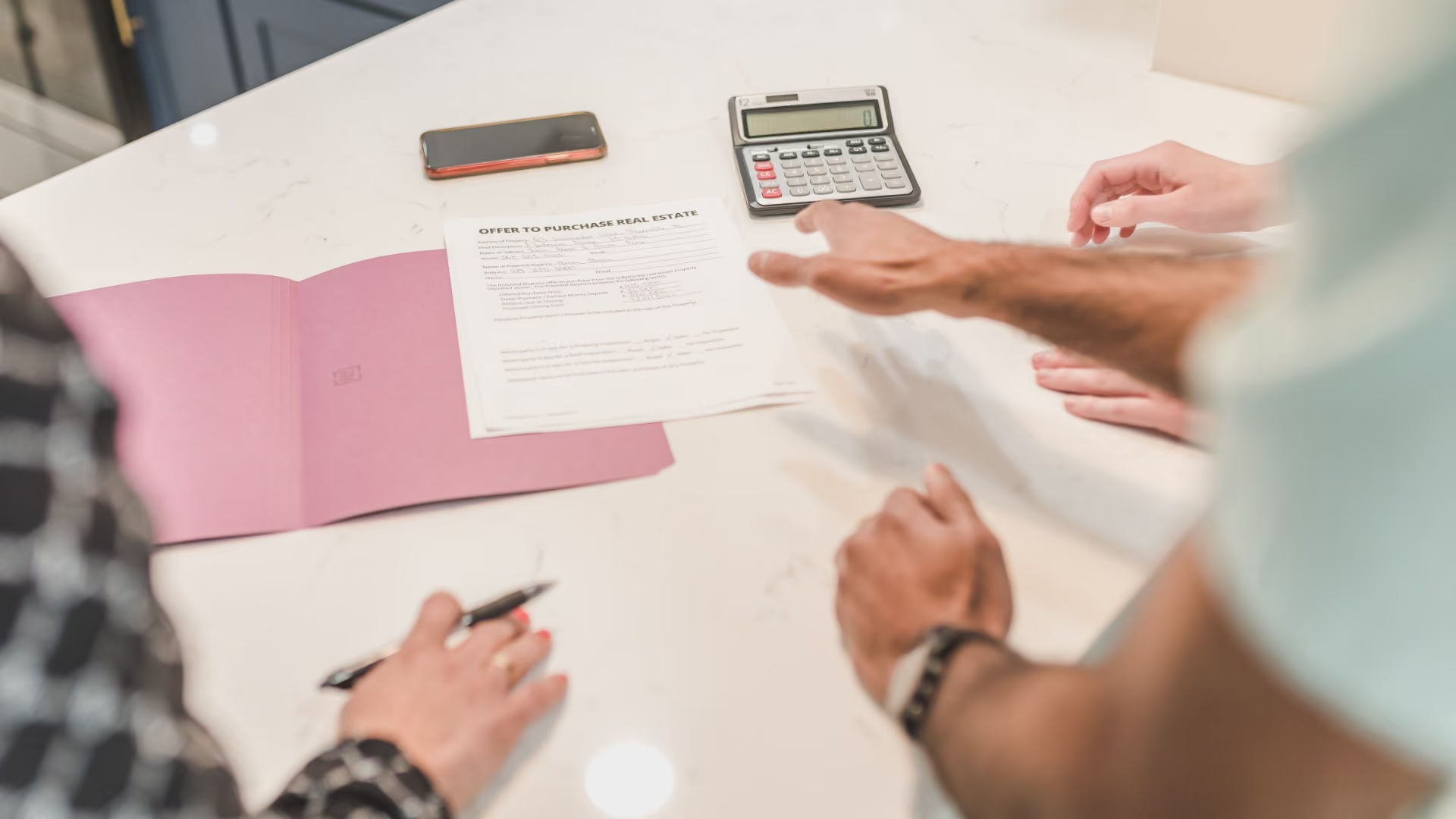
Make Renewal Options Impossible to Misread
A lot of resident questions at renewal time come down to one thing: they didn't understand their options. Your first notice should do the heavy lifting — no hunting through the original lease required.
Present every option side by side with exact numbers:
- 12-month renewal — new rent amount, start and end dates
- Short-term lease — length, rent premium, dates
- Month-to-month — rent amount, notice requirements
Include a clear comparison of current versus new terms. If rent is increasing, state the dollar difference directly: "Your rent will increase by $85/month, from $1,515 to $1,600, starting January 1, 2027." Add one plain-English reason for the change. Residents who understand the why are far less likely to push back on the what.
Tenants can — and often do — negotiate renewal terms. A short FAQ linked in your message preempts most pricing questions before they become emails.
Standardize How You Explain Notice
Inconsistent notice explanations are one of the most common sources of end-of-lease disputes. Different team members saying different things, or residents interpreting vague language differently, creates problems that are entirely avoidable.
Every renewal message should include a plain-English summary of both paths. No lease jargon, no references to section numbers. Something like this:
"Not renewing? Submit your written notice to vacate by November 1, 2026. Include your intended move-out date and forwarding address. We'll send your move-out checklist and schedule your inspection within 24 hours."
That's it. One short paragraph that tells residents exactly what to do and what comes next.
Build reusable notice templates for residents to submit by email, portal form, or letter. Every template should capture:
- Intended move-out date
- Forwarding address for deposit return
- Key return confirmation and date
Use separate scripts for fixed-term and month-to-month leases — the notice requirements differ, and residents on month-to-month need to know they typically owe 30 days' notice. Always verify local requirements, as timelines vary by state and municipality.
Use a Move-Out Checklist to Get Ahead of Chaos
A clear checklist sent early is one of the most effective things you can do to reduce last-week chaos and deposit disputes. As soon as a resident confirms they're leaving, they should automatically receive a checklist covering:
Kitchen: Inside of oven, under the refrigerator, countertops, cabinet interiors
Bathrooms: Mold, grout, exhaust fans
Flooring and walls: Small nail holes are expected; large gouges, carpet burns, and broken fixtures are not
Appliances and light fixtures: Confirm all are functional and clean
Exterior/patio/balcony: Remove furniture, sweep
Windows: Interior glass and tracks
Be specific about what counts as normal wear and tear versus damage — residents shouldn't have to guess, and your team shouldn't have to argue about it after the fact.
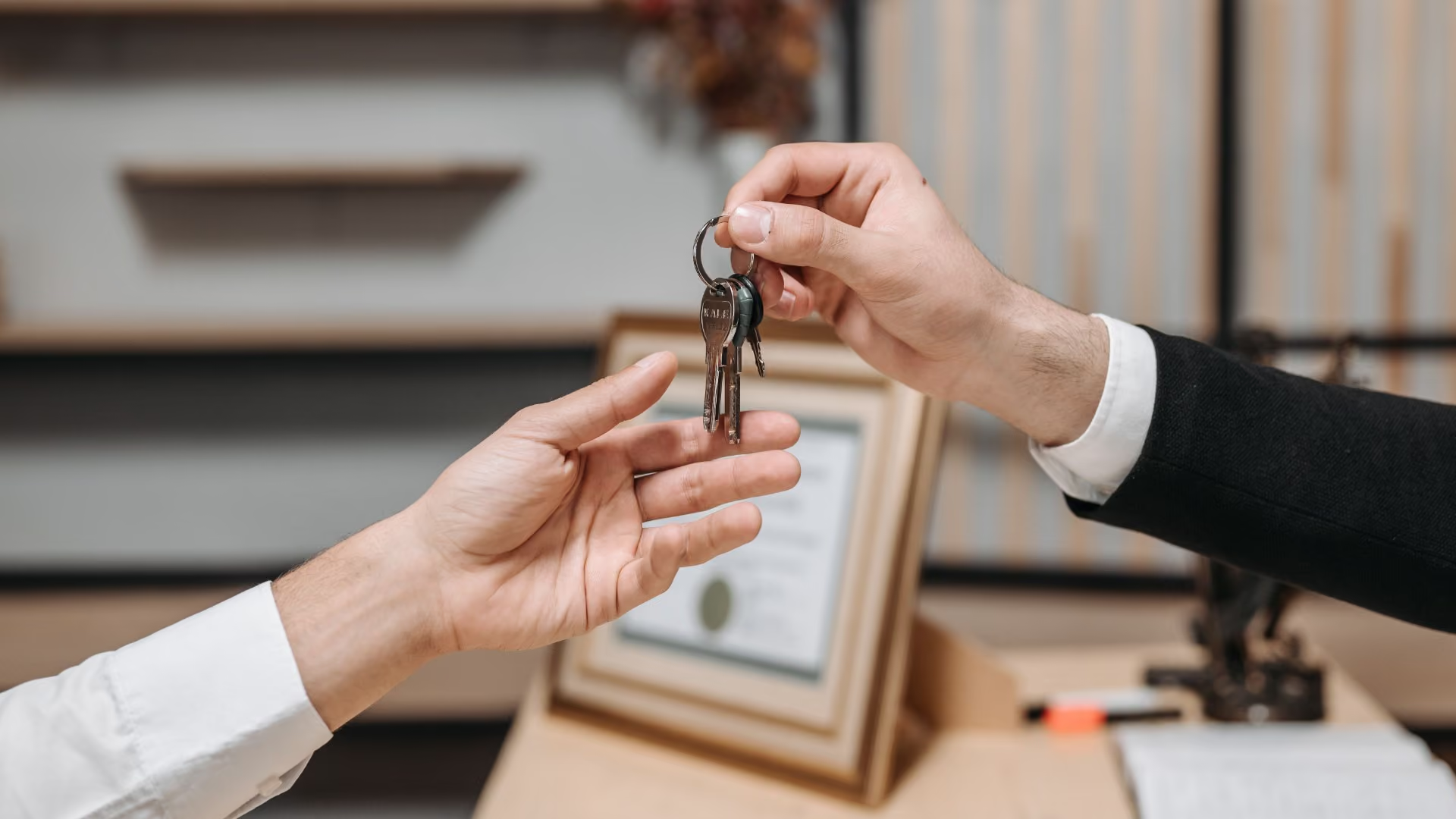
Walk Residents Through the Inspection and Deposit Process
The deposit question — "When do I get my money back?" — is one of the most common calls property managers receive after move-out. Answer it before anyone has to ask.
Explain the full sequence in your pre-move-out communication:
Keys returned: June 30
Inspection completed: July 2
Itemized statement sent: July 20
Refund issued: By July 30
Let residents know they'll receive an itemized breakdown of any deductions — unpaid rent, cleaning charges, damage beyond normal wear and tear — and remind them that taking dated photos before they leave protects everyone. Most states require landlords to return deposits within 30 days of move-out. Check your state's specific requirement and communicate that deadline directly.
Residents who understand the process before move-out have far fewer disputes afterward.
Automate the Cadence, Personalize the Exceptions
Automation handles the predictable: reminders, confirmations, checklists, follow-ups. Set rules that trigger when there's no response — a reminder at 7 days, escalation to onsite staff at 14. Log every touchpoint in your property management software so there's a clear record for both teams and residents.
Skyline Property Management automated outreach at 120, 90, 60, and 30 days before lease end, achieved 100% renewal outreach, and saved $180,000 annually by eliminating missed renewals and turnover costs.
But automation has limits. A long-term resident who's on the fence deserves a phone call. A resident with an unresolved maintenance request won't commit to a new lease until that's addressed — and a form email won't fix it. Know when to hand off from the system to a person, and make sure your team knows it too.
Measure What's Working
Renewal communication should be treated as a measurable process, not a one-time effort. Track:
- Renewal rate by cycle and property
- Average days to decision
- Inbound questions per renewal cycle — fewer over time means your messages are working
- Percentage of deposits returned without dispute
Review the most common email subjects and support tickets each cycle. "How do I give notice?" and "When do I get my deposit?" appearing repeatedly are signals that something in your existing messages needs to be clearer. A single rewritten paragraph can measurably reduce incoming questions over an entire renewal season.
Run an annual review of all renewal and move-out templates. Update them for current fees, policy changes, and anything residents flagged as confusing. Brief your onsite teams before the next cycle begins.


.jpg)