
Your security deposit isn't a donation to your landlord. It's your money, held in trust, and getting it back is less about luck and more about a paper trail. Most landlords collect a deposit equal to one to two months' rent, and state law usually gives them 14 to 60 days after you move out to return it, so knowing your state's clock matters. Follow this process from the day you sign your lease to the day you hand back your keys, and you stand a much better chance of seeing every dollar again.
- Know the Rules Before You Move In
A security deposit protects your landlord against unpaid rent or damage beyond normal wear and tear. Landlords can legally deduct for unpaid rent or late fees, repairs for damage beyond normal wear (broken windows, large wall holes, severe pet stains), excessive cleaning, or other fees named in your lease.
Rules vary by state. Michigan caps deposits at one and a half times monthly rent. California recently lowered its cap to one month's rent for most landlords. Many states also require landlords to tell you, in writing, where your deposit is held, within 30 days of collecting it.
Your deposit is different from nonrefundable fees like application or pet fees. If your lease lists an $1,800 deposit on a unit starting September 1, 2026, that full $1,800 belongs to you minus only lawful deductions. Some states even require deposits to sit in an interest-bearing account, so check your local law. Save your lease, deposit receipt, and every related email in one labeled folder.
- Protect Your Deposit Starting on Move-In Day
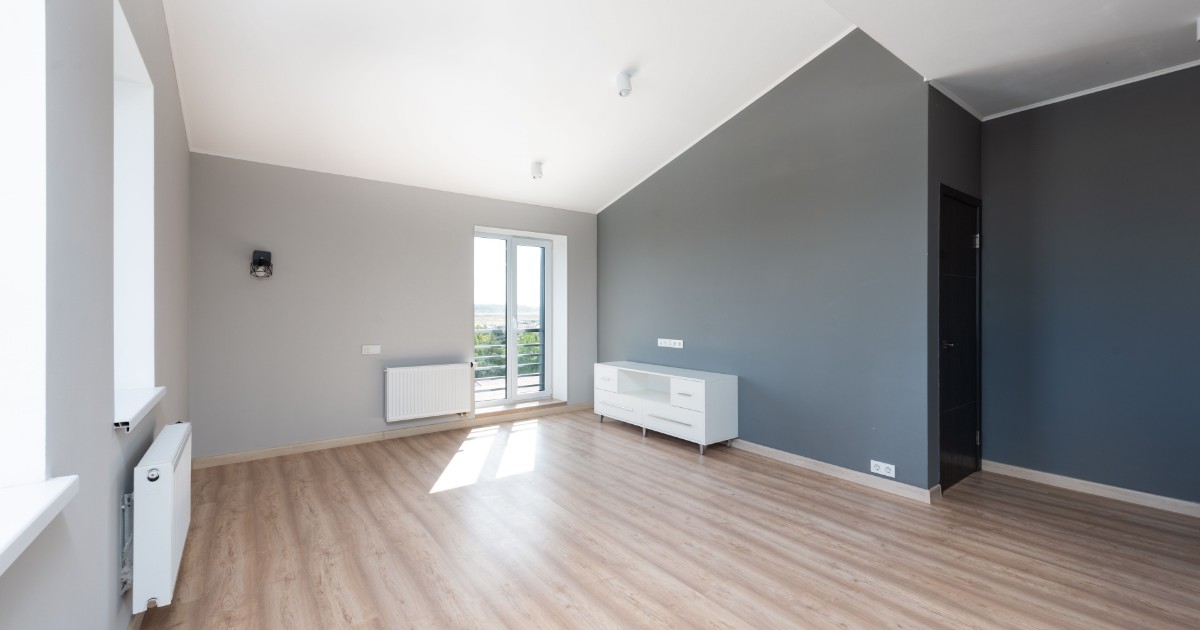
The single best thing you can do for your deposit happens before you unpack a single box: document the unit's condition.
Fill out a detailed move-in checklist, ideally within your state's required window (often 7 days). If your landlord doesn't hand you one, build your own room by room, covering walls, ceilings, floors, baseboards, windows, doors, locks, fixtures, appliances, and closets, and noting any existing damage.
Take timestamped photos on your actual move-in date and store them in a clearly labeled folder, like "Apartment 3B – Move In." Email the checklist and a handful of photos to your landlord so there's a dated, shared record. Anything that needs fixing, a leaky faucet or a broken blind, should be requested in writing right away. An unresolved issue you never reported has a funny way of becoming a deduction later.
- Learn the Difference Between Wear and Damage
This is where most disputes happen. Landlords can charge for damage beyond normal wear and tear, but ordinary wear is their responsibility, not yours.
Normal wear and tear looks like fading paint, light carpet wear in high-traffic spots, small nail holes, minor wall scuffs, and loose caulk around a shower. Real damage looks like large wall holes, broken appliances, deep pet stains, countertop burns, or cracked windows. These come from negligence or misuse, not everyday living, and a landlord can fairly charge for them.
Length of tenancy matters too. Heavy carpet stains after six months read as damage. Similar wear on carpet that's already five years old and near the end of its life usually reads as normal to a judge. Landlords also can't deduct for routine upkeep like repainting or replacing an aging appliance. That's the cost of owning a rental.
- Use a Move-Out Checklist and Forwarding Address to Protect Every Dollar
Give written notice of your move-out date per your lease terms, typically 30 to 60 days ahead, then schedule a move-out inspection so questions get resolved before they become deductions.
Your move-out checklist should cover deep cleaning the kitchen and bathrooms, wiping down walls and baseboards, patching small nail holes if allowed, replacing burnt-out lightbulbs, clearing out all personal items, and mowing the yard if required.
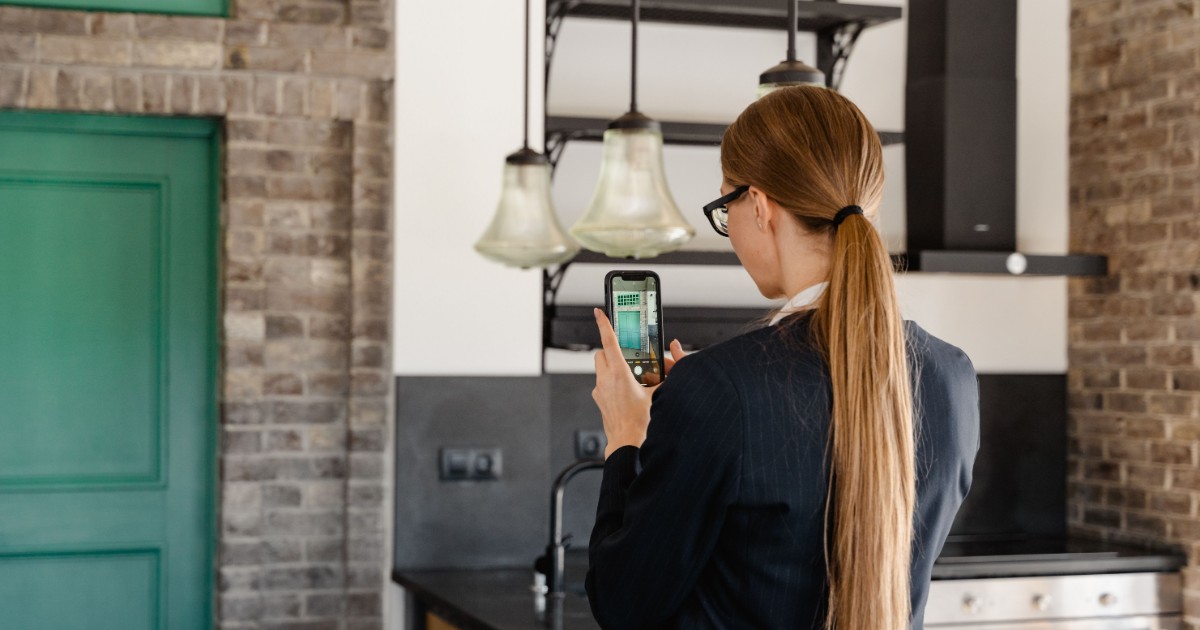
Once everything's out and cleaned, take fresh timestamped photos and video of every room, focusing on carpet, appliances, fixtures, and windows.
Then hand over your forwarding address, in writing, often within four days of moving out. Send it by email and on paper, and hand a copy over with your keys. No permanent address yet? A P.O. Box or a trusted friend's address works. Skip this step and your landlord may not be required to mail your deposit or deduction notice at all.
Return windows vary by state: California gives landlords 21 days, Florida gives 15 if no deductions are claimed. Miss the 30-day notice deadline required in many states, and a landlord can forfeit their right to deduct anything.
- If Your Landlord Withholds Too Much: Disputes and Your Options
If deductions are coming out of your deposit, your landlord typically owes you an itemized list of damages and actual repair costs, often within 30 days (Texas included). Once more than $125 is withheld, landlords generally must provide that breakdown, and you can always request one.
A proper itemized statement names each damaged item, explains whether it's beyond normal wear, states the repair cost, and includes receipts for bigger jobs, something like "Bedroom carpet stain removal – $120 on 10/01/2026."
If the numbers don't add up, send a formal demand letter. Reference your move-in and move-out documentation, attach photos, and request a corrected refund by a specific date. Keep it polite but firm, and cite your state's statute if you know it.
Bad-faith withholding carries real consequences. Many states, Texas among them, let tenants sue for double or triple the withheld amount, and most require deposits back within 30 days, full stop. For disputes under roughly $5,000 to $10,000 (California's small claims limit for tenants is $12,500), you can usually represent yourself in small claims court. Bring your lease, photos, checklists, and every piece of correspondence. Legal aid offices, tenant unions, and city renter hotlines often offer free consultations and can help you file if your landlord won't budge.
Handled right, from your first walkthrough photos to a firm demand letter if needed, most renters get their full deposit back without ever setting foot in a courtroom.
Most landlords collect a deposit equal to one to two months' rent, and state law usually gives them 14 to 60 days after move-out to return it. To get yours back: document the unit's condition at move in with timestamped photos, know the difference between normal wear and tear and real damage, complete a thorough move-out checklist, hand over a written forwarding address quickly, and dispute any unfair deductions in writing, escalating to small claims court if needed.