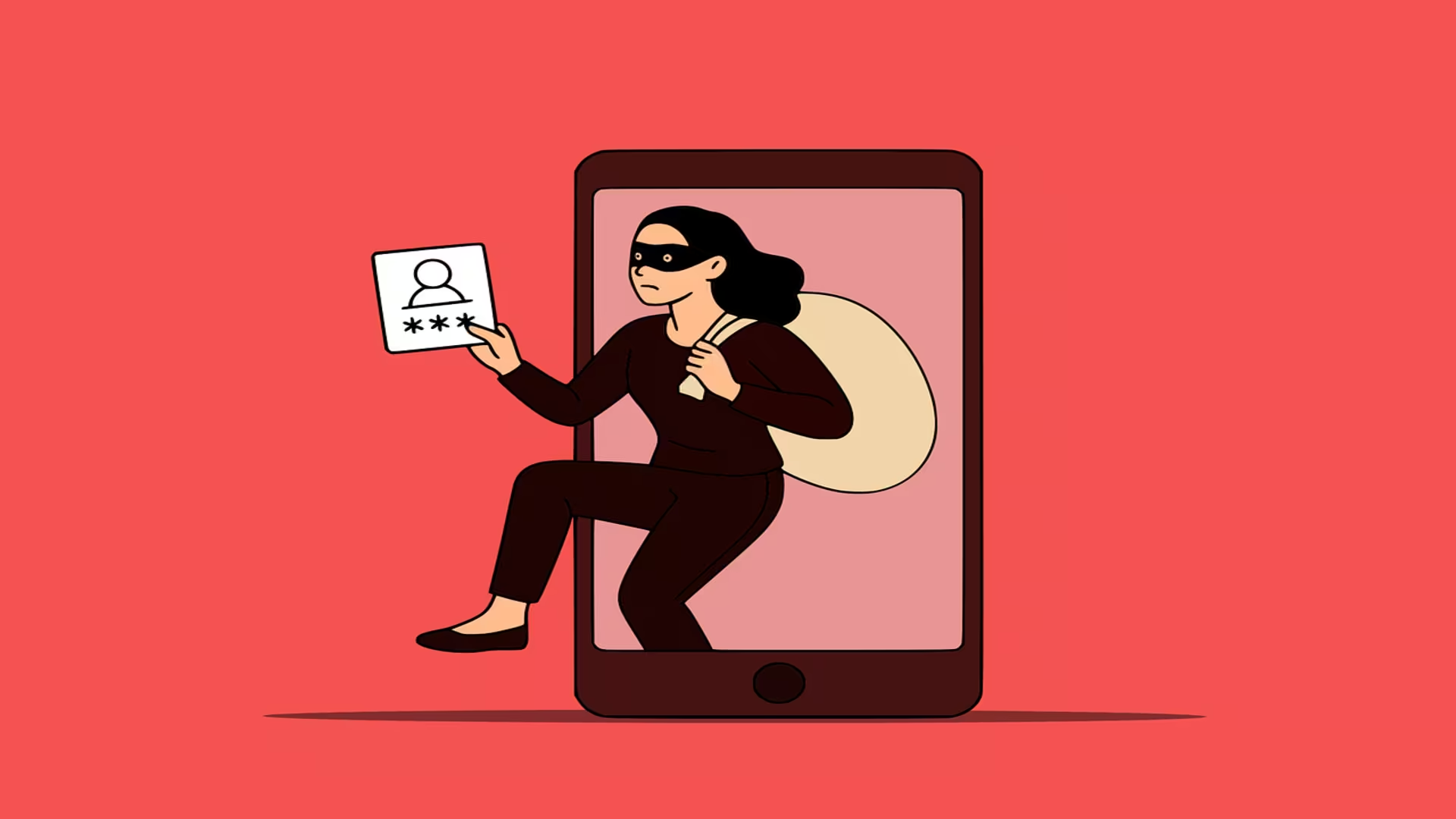
Between hunting for the perfect apartment, managing a security deposit, and trying to keep your plants alive, you’ve got enough on your plate. The last thing you want to worry about is a digital ghost opening a credit card in your name and wrecking your financial future.
We’ve all seen the ads for identity theft protection. But if you’re already paying for rent, utilities, and Netflix, you’re probably wondering: Is this just another "add-on" I don't need, or is it actually a lifesaver?
Let’s break it down—neighbor to neighbor.
What is Identity Theft Insurance?
First things first: identity theft insurance is not a magic shield that stops hackers from getting your data. (We wish.)
Think of it more like a cleaning crew. If a thief steals your Social Security number to open a loan or rent an apartment in your name, the "theft" has already happened. The insurance is there to help you pay for the messy, expensive, and time-consuming process of fixing it.
What’s Included in the Cleanup?
If your identity is stolen, you don't just lose money; you lose time. Most policies cover the "incidentals" that pile up while you’re reclaiming your life:
- The Paperwork Pros: Many plans give you a case manager who does the heavy lifting—calling banks, filing disputes, and dealing with credit bureaus so you don’t have to spend your lunch breaks on hold.
- Legal Fees: If you have to go to court to prove a debt isn't yours.
- Lost Wages: If you have to take time off work to meet with authorities or lawyers.
- Document Replacement: Fees for a new driver’s license, passport, or birth certificate.

The Catch
Here is the most important thing to know: Most basic identity theft insurance does NOT reimburse the money the thief actually stole. If someone drains $1,000 from your checking account, your insurance policy usually won't hand you a check for $1,000. That’s usually handled by your bank’s fraud department. The insurance is there for the recovery costs, not the stolen cash.
Is It Worth It for Renters?
As a renter, your credit score is your passport. It’s what gets you into your next apartment and determines if you’ll need a massive security deposit.
It might be worth it if:
- You’re a "Digital Nomad": You do everything online, use public Wi-Fi, or have your info saved in a dozen different apps.
- You’re Planning a Move: You can’t afford a surprise credit drop right when a landlord is running your background check.
- You Value Your Time: If the idea of spending 40+ hours on the phone with credit agencies sounds like a nightmare, the case management feature alone is worth the price of admission.
You can probably skip it if:
- You already have it: Check your current Renters Insurance policy! Many modern policies (like the ones we offer here at Homebody) allow you to add ID theft protection for just a few dollars a month.
- Your bank is high-tech: Many credit cards now offer free credit monitoring and "dark web" alerts for free.
The "Knowledgeable Neighbor" Pro-Tips
You don't need to spend a fortune to be safe. Start with these three free moves:
- Freeze Your Credit: It’s free and takes 10 minutes at the three major bureaus (Equifax, Experian, TransUnion). It stops anyone from opening new accounts in your name.
- Use a Password Manager: Stop using "Password123" for everything. A manager makes every login unique and impossible to guess.
- Check Your Renters Insurance: Before buying a standalone $20/month plan, see if you can add it to your existing Homebody policy for the price of a cup of coffee.
The Bottom Line: Identity theft insurance won't make you bulletproof, but it’s a fantastic "Plan B" for your peace of mind. If you’re looking for a safety net that handles the stress while you focus on living your life, it’s a smart move.=
Identity theft insurance doesn’t stop a thief from stealing your data, but it does pay for the "cleaning crew" to fix the mess afterward. While federal law protects you from most stolen funds, this insurance covers the costs of legal fees, lost wages, and—most importantly—provides a professional case manager to handle the hours of paperwork required to repair your credit. For renters, it’s a low-cost way to ensure a digital disaster doesn't ruin your chances of qualifying for your next apartment.