Winter heating bills can climb quickly, especially in an older apartment with drafty windows or uneven heat. You may not be able to upgrade the heating system, but renter-friendly changes can help. Start by blocking drafts and using your thermostat thoughtfully. If you rely on a space heater because your apartment won’t stay warm, contact your landlord too.
1. Find and block drafts
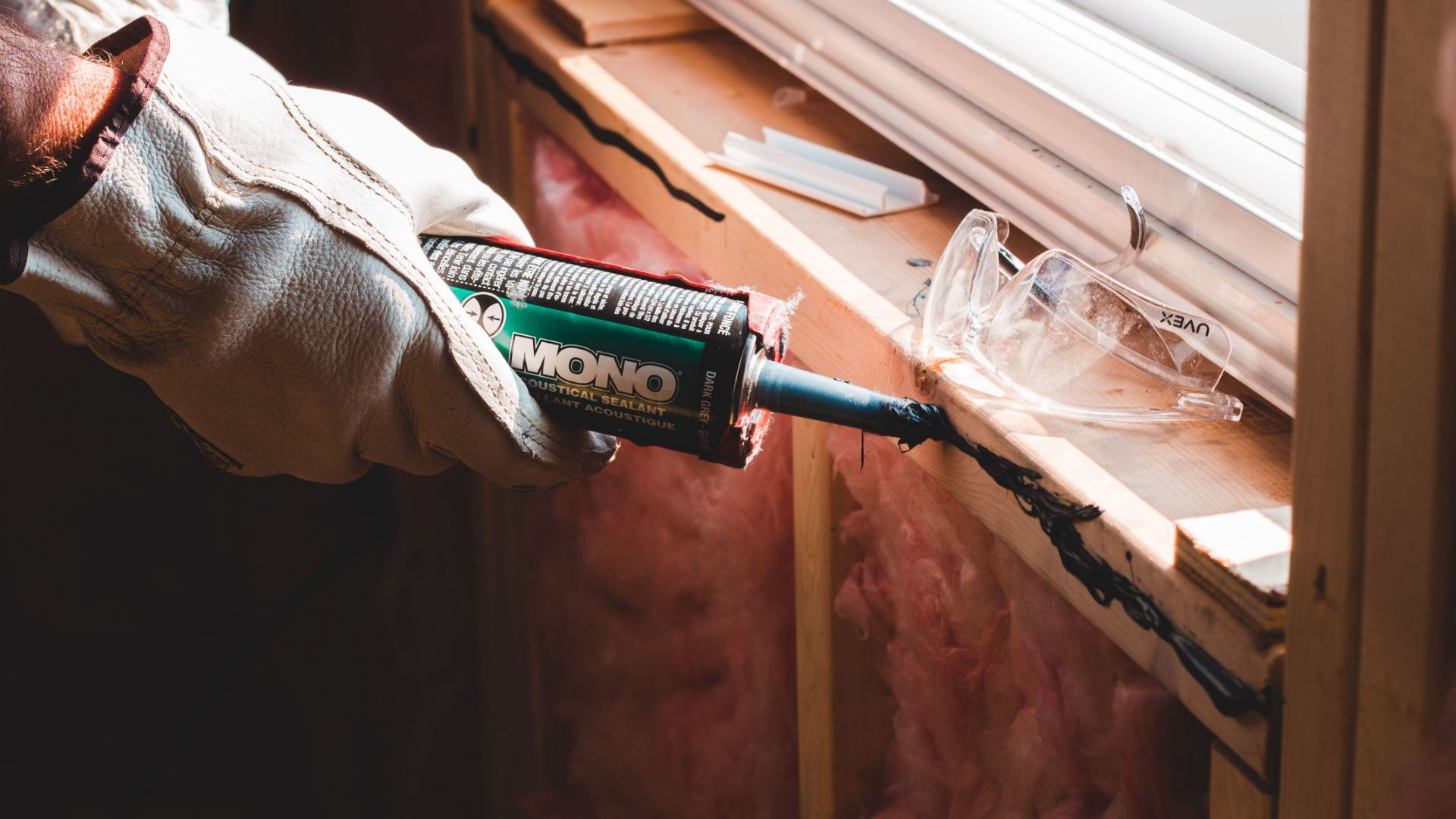
Before buying supplies, check where cold air is coming in. On a windy day, hold your hand near window frames, exterior doors, and outlets on outside walls. You can also hold a tissue near the edge of a window or door and watch for movement. Don’t use an open flame to look for drafts.
For small gaps, try renter-friendly options:
- Window film: Clear film kits can add a removable layer over a window. Follow the package directions and test the tape on a small, inconspicuous spot first.
- Weatherstripping: Removable weatherstripping can help close gaps around a window sash or door frame.
- Draft stoppers: Place one at the bottom of an exterior door, especially if you can feel cold air coming through.
- Thermal curtains: Close them at night to help keep the room comfortable. Open them during sunny hours to let in daylight and warmth.
- Rugs: A rug or runner can make a bare floor feel warmer underfoot.
Keep heating vents, radiators, and baseboard heaters clear of curtains, furniture, and storage so warm air can circulate. Check your lease before making changes, and ask your landlord before attaching anything that could damage paint or trim.
Report cracked glass, damaged window frames, doors that won’t close properly, or drafts you can’t fix with removable materials. Take photos and submit a dated maintenance request so there’s a written record.
2. Adjust your thermostat thoughtfully
A small thermostat adjustment can help reduce heating use. The U.S. Department of Energy says turning the thermostat back 7–10°F for eight hours a day can save as much as 10% a year on heating and cooling. Savings vary by apartment, system, weather, and energy rates. www.energy.gov
If you have a programmable thermostat, set it around your routine. Otherwise, adjust it manually when you leave or go to bed, while keeping the temperature safe for you and your home.
Avoid turning the heat completely off during freezing weather. Pipes in exterior walls or cabinets can be vulnerable, and your lease or building management may set a minimum temperature. Ask your landlord what setting they recommend for your building.
If your apartment has radiators or baseboard heaters, don’t cover them or adjust locked valves. If the heat is too hot, too cold, or uneven, report it to building maintenance.
3. Use space heaters safely
A space heater may warm one room, but it can also add to your electric bill. Whether it saves money depends on your system, energy rates, and how long you use it. Treat it as a supplement, not a replacement for working apartment heat.
If you use an electric space heater:
- Place it on a flat, stable floor, at least three feet from bedding, curtains, furniture, clothing, and other items that can burn.
- Plug it directly into a wall outlet. Don’t use an extension cord or power strip.
- Keep its cord out from under rugs or carpets.
- Turn it off when you leave the room or go to sleep.
- Don’t cover it or use it to dry clothes.
- Follow the manufacturer’s instructions and check your lease for building rules.
The Consumer Product Safety Commission advises keeping portable heaters three feet from flammable materials and plugging electric heaters directly into wall outlets. www.cpsc.gov If you need a space heater every day because your apartment won’t stay warm, tell your landlord or property manager. The building’s heating system may need attention.
4. Stay comfortable without turning up the heat
Small changes can make a room feel warmer:
- Wear warm socks, slippers, and layers indoors.
- Move your bed or couch away from drafty windows and cold exterior walls.
- Open curtains during sunny hours, then close them at dusk.
- If you have a ceiling fan, check whether it has a winter setting. Some fans can run slowly in reverse to move warm air down from the ceiling; follow the fan’s instructions.
- Use a heated throw or hot-water bottle only as directed, and choose products with safety features such as automatic shutoff.
Comfort matters. Don’t lower the temperature to a level that feels unsafe or uncomfortable, especially if you have health needs that make cold temperatures risky.

5. Help protect your pipes
Pipes can freeze in very cold weather, especially if they run through exterior walls, under sinks, or through unheated spaces. To reduce the risk:
- Keep the heat on during freezing weather, and follow your landlord’s or building manager’s guidance on the minimum temperature.
- On especially cold nights, open cabinet doors under sinks if the pipes are on an exterior wall.
- Keep vents and baseboard heaters clear so warm air can reach the room.
- Report plumbing problems promptly.
A faucet that slows to a trickle or stops running could be a sign of a frozen pipe. If you notice that—or see a leak, water stain, or sudden damp spot—contact building maintenance or the emergency number listed in your lease. Move belongings away from any leak. Use a local shutoff valve only if you can reach it safely and know how it works; leave locked or shared utility areas to building staff.
For urgent maintenance concerns, submit a written request and keep a copy. If a serious problem remains unresolved, contact your local housing authority or tenant legal aid organization. Rules vary by location.
Look for help with energy costs
If your bill is difficult to manage, ask your utility company about payment plans, budget billing, energy audits, or local efficiency programs. Eligible households may also qualify for LIHEAP or the Weatherization Assistance Program. Availability varies by location.
Key takeaways
- Try removable fixes first, such as window film, draft stoppers, thermal curtains, and rugs.
- Lowering the thermostat while you’re asleep or away can save energy, but follow your lease, building guidance, and health needs.
- Use space heaters with care: plug them directly into a wall outlet and keep them at least three feet from anything that can burn.
- Keep your apartment warm enough during cold weather to help protect pipes, and report plumbing or heating problems promptly.
- Ask your landlord to address damaged windows, persistent drafts, or heat that isn’t working properly.
Block drafts, adjust your thermostat thoughtfully, and use space heaters safely to stay comfortable and manage heating costs. Keep your apartment warm enough to help protect pipes, and contact your landlord about heating or maintenance problems.